My book encompasses the first 100 or so posts of this blog, give or take. I’ve compiled it, formatted it, proofread it, and now it is with the publisher. They do their own editing and formatting to make it look good in book form. I have to pick the typeset I want. Soon I also have to have a cover design ready.
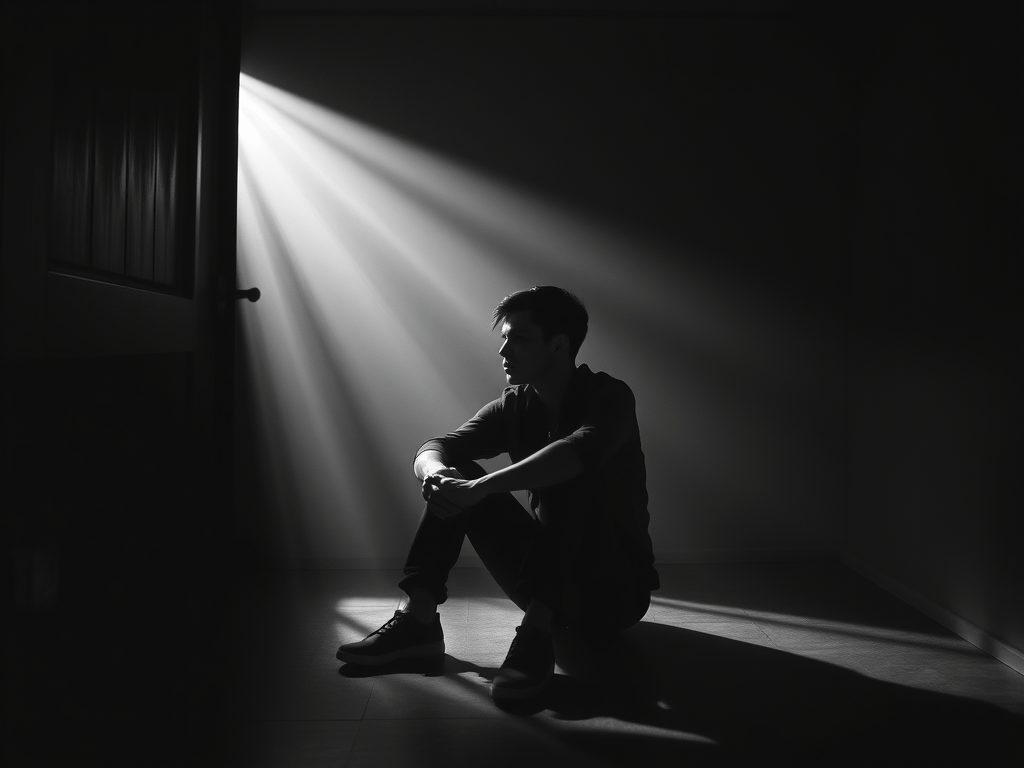
I have one in mind; I just can’t draw. My buddy Mike is going to design what I can see in my head but can’t put down on paper. He asked if I wanted color or black and white and I had to think about that a minute – I’ve decided on black and white to represent the rigid thinking patterns that are inherent to a borderline diagnosis.
I’ve decided to call it In the Darkness of Hope (the title to one of the chapters) because the book isn’t meant to inspire anyone. From the very beginning of this blog and now book, I was very clear – I don’t have any advice. I don’t have anything to offer anyone. I just have a severe mental illness that has largely shaped the course of my life. I have spent a long time in the care of a mental health system often fraught with controversy, heartbreak, and a lack of resources. I currently work and function on a lot of psych meds only because of the VA – without it I’m certain I would have been institutionalized a long time ago.
I sometimes think about how things would be so different if I’d never joined the army. If I’d never joined, I would never have been raped and never developed PTSD, but the bipolar and borderline is a part of me and was always going to be. I became manic for the first time a year into service, and would have done so with or without the army. If I’d never joined, I’d be subject to the civilian mental health system. I have been detained by it a couple times and subsequently got caught up in the civil commitment process which saw me locked up in civilian psychiatric hospitals. If I’d never joined, I never would have gained access to healthcare, including mental health care, as well as benefits like the GI bill and VA home loans.
When I was in the mental hospital, I remember feeling relief that at least I had the VA to fall back on. Non-veterans must contend with the civilian system, for better or for worse, and simply accessing medication is a real nightmare for these people. My book will speak to a different experience. I’ve been so lucky – I never had to worry about where my meds were going to come from and I never had to worry about copays or anything like that. I’ve been so insulated that I straight up distrust the civilian system. They called me paranoid when I was detained and locked in a psych hold cell at Deaconess hospital. It’s probably true – but justified. I’m much more fearful in custody of the civilian side and believe they don’t actually have my best interests at heart. I’m not at all convinced when the overall goal in healthcare is profit. Can’t trust anybody.
Rylee would encourage me to think in terms of grey, not black or white. Dr Black challenged me to consider the things that happened to me just efforts by a faulty system to keep me alive. They did, but at great cost. I’m sure there are people who care, who believe in the cause. God knows we can’t have a good mental health system without good workers. I am still scared of them. I’ve been kidnapped by them, and I still deal with the flashbacks and nightmares of those experiences.
I am trying.
 Documenting my journey through the mental health system
Leave a comment